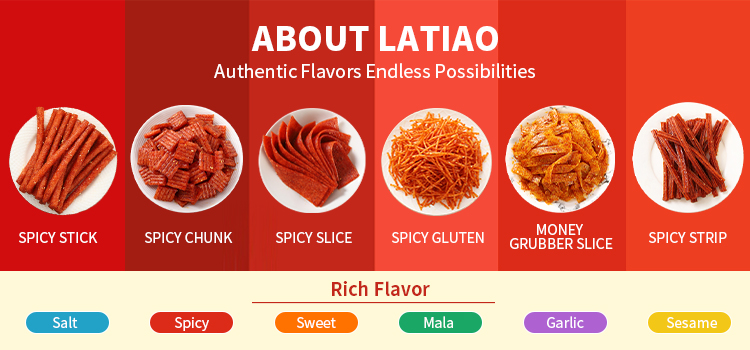

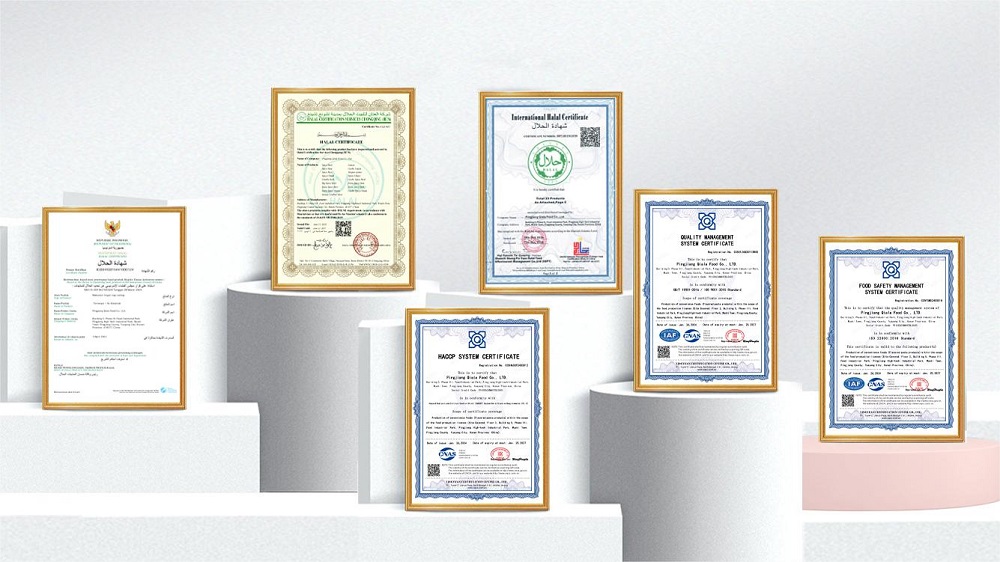
Latiao has been described as everything from a Chinese schoolyard snack to a viral TikTok phenomenon. Less often discussed is how it is actually made. The process is simpler than most people assume, and more controlled than its reputation suggests. Behind every chewy strip is a certified food production line running to international standards, including BRC, HALAL, and V-Label audits.
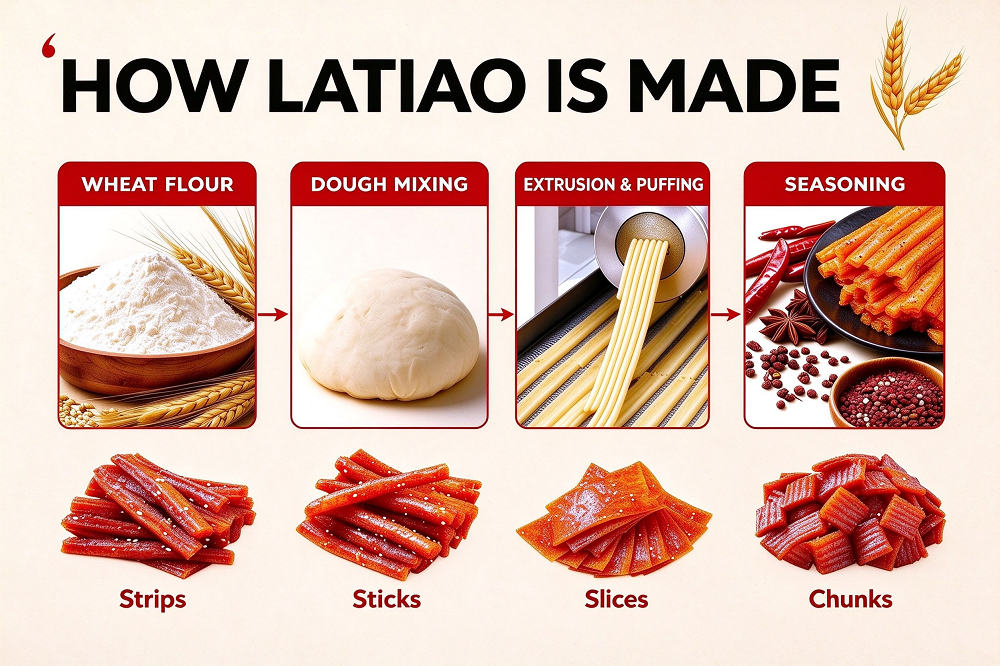
Step 1: Wheat Flour
It starts with wheat flour. Not any wheat. The flour used for latiao needs a specific protein content so the extruded dough holds its shape and develops the characteristic chewy bite. Our flour comes from long-term contracted suppliers, each audited annually and batch-tested on arrival. Key checks include moisture, protein, and ash content.
The protein target sits around 12 percent. Lower and the dough breaks during extrusion. Higher and the final product turns out too dense. This is the same grade of flour used for high-quality pasta, not generic bakery flour.
Step 2: Dough Mixing
Flour goes into a mixer with water, vegetable oil, and a small amount of salt. The dough comes together in minutes. The target is a smooth, elastic consistency. Too dry and the extruded product will crack, too wet and it will lose its chew.
Mixing time is controlled to within seconds. Over-mixing develops the gluten too far and makes the final strip tough. Under-mixing leaves an uneven crumb that shows up as air pockets in the extruded product.
Step 3: Extrusion and Puffing
This is where the shape happens. The dough feeds into an extrusion machine that uses heat, pressure, and mechanical shear to cook and shape it simultaneously. As the dough exits the die, it puffs slightly and is cut into strips, sticks, slices, or chunks depending on the die configuration. This single step determines the texture. A tight die gives a dense, chewy stick. A wider die produces a softer slice.
The extrusion temperature runs between 120 and 160 degrees Celsius. The high heat cooks the flour in under ten seconds, which is why latiao has such a long shelf life. There is no baking step after extrusion. The product emerges from the die already cooked.
Step 4: Seasoning
Fresh from the extruder, the product passes through a seasoning drum. Oil is sprayed on first so the spices adhere, then a blend of chili, cumin, garlic, Sichuan pepper, and other spices coats the strips. Our heat comes from real chilies, including Yunnan ghost pepper and Sichuan erjingtiao, not chili extract or artificial capsaicin. Heat levels are adjusted to market: mild for first-time consumers, extra spicy for the enthusiast market.
The seasoning ratio is weighted by weight. A typical strip gets about 12 percent seasoning by weight, with the oil coating accounting for another 8 percent. Getting this ratio right is what separates a balanced-tasting product from one that feels either bland or overly salty.
Quality Control Between Every Step
Before any batch leaves the factory, it goes through sensory evaluation covering taste, texture, and appearance, and physical-chemical testing for heat level, salt, moisture, and oil content. Batch-to-batch heat variation is held within plus or minus 5 percent. Every batch record is kept, so a product reaching a retailer shelf can be traced back to the flour lot, production line, and seasoning blend.
The factory runs HACCP and ISO 22000 certified processes. Workers in the production area wear hairnets, face masks, and disposable gloves. The entire extrusion and seasoning zone is sealed off from the packaging area to prevent cross-contamination.
The finished product is vacuum-sealed in a three-layer aluminized pouch, which blocks light and oxygen to preserve freshness. On our VP Series, that translates to a 360-day shelf life, long enough to survive a 40-day sea freight to Europe or the Middle East and still have months of shelf life on the shelf.
One category, many forms: the same wheat dough can become strips, sticks, slices, or chunks. That flexibility is why latiao works across channels. The chewy stick for impulse snacking, the softer slice for sharing, the chunky format for value packs. For distributors looking to enter the spicy snack category, LAKEXIXI offers wholesale, OEM, and private label programs across all formats, with sample boxes available for qualified buyers.